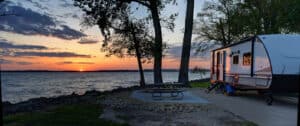
Exploring the Legality of Living in an RV in Florida

Florida, known for its sunny beaches and vibrant lifestyle, is a popular destination for both vacationers and those seeking a unique way of life. Among these, living in a Recreational Vehicle (RV) presents an intriguing alternative to conventional housing. But what does the law say about calling an RV your home in the Sunshine State? This article explores the ins and outs of living in an RV in Florida from a legal standpoint, providing clarity for hopeful dwellers and current residents alike.
Understanding RV Living in Florida
Before diving into the legalities, it’s crucial to understand what living in an RV entails. Unlike traditional housing options, RV living offers mobility, a strong sense of community, and cost-effectiveness. However, it also brings its own set of challenges, such as limited space and a need for regular maintenance. Here are several considerations when living in an RV:
- Minimalism: RV living encourages you to downsize and embrace simplicity.
- Adaptability: You must adapt to constantly changing environments and weather conditions.
- Community: Connecting with fellow RV dwellers can provide support and camaraderie.
Legal Overview: Can You Legally Live in an RV in Florida?
The question of whether you can legally live in an RV in Florida is more complex than a simple yes or no. The answer depends heavily on the location and specific municipal codes enforced within different Florida cities and counties.
Zoning Laws and Regulations
Florida has a patchwork of zoning laws that impact where you can legally live in an RV. The state grants local governments the authority to establish zoning codes. Many of these codes categorize RVs differently than permanent dwellings or mobile homes, often restricting RVs to designated campgrounds or RV parks.
- Residential Zoning: Although some areas permit RVs on private property, this is typically reserved for temporary use.
- RV Parks and Campgrounds: These facilities are typically the only places where long-term RV living is expressly allowed. They offer essential hookups and adhere to health and safety standards.
- Private Property: Depending on the jurisdiction, some owners may allow RV dwellers. However, this often comes with a limited duration clause to avoid conflict with short-term stay limitations.
Building Code and Safety Requirements
Another factor influencing the legality of RV living is adherence to building codes and safety standards, which are typically more lax compared to traditional housing. This includes:
- Connection to Utilities: RVs must meet certain standards when connecting to water, sewage, and electricity.
- Site Safety: The plot of land must not pose any health or environmental threats.
- Structural Integrity: Ensuring that the RV is in good condition and not hazardous to its occupants or neighbors.
Homestead Exemption Implications
Florida’s homestead exemption offers significant tax advantages but typically does not extend to RV dwellings. The exemption applies to permanent structures rather than transient housing options. However, there may be exceptions based on specific RV specifications and property installations.
Practical Considerations for Prospective RV Dwellers in Florida
For those contemplating RV living in Florida, it’s imperative to understand both the legal landscape and the practical steps necessary for a seamless transition.
Choosing the Right Location
Top Consideration: The location heavily influences your lifestyle and legal adherence. When selecting a place to park your RV, consider:
- Legal Compliance: Research local zoning laws to ensure compliance before settling.
- Community Amenities: Proximity to medical facilities, grocery stores, and other conveniences.
- Safety and Security: Ensure the area is secure and suited to your lifestyle needs.
Connecting with the RV Community
The RV community can be a unique and valuable resource. By forming connections, you can gain insights into living legally and comfortably in Florida. Joining RV forums or local chapters of RV organizations can be beneficial and informative.
Staying Informed and Compliant
Stay proactive: Regulations can change, and staying informed is crucial. Consulting with local city officials or legal professionals familiar with Florida’s RV living laws can provide up-to-date information, ensuring you remain compliant with new policies or changes in enforcement.
Conclusion
Living in an RV in Florida can offer an adventurous and fulfilling lifestyle, but it requires thorough research and careful planning to navigate the complexities of state and local laws. By understanding zoning regulations, safety requirements, and the practical implications of RV life, prospective dwellers can create a home on wheels that supports both their legal rights and personal dreams.
Stay informed, embrace the RV lifestyle, and enjoy everything Florida has to offer – from its mesmerizing coastlines to enriching cultural experiences.
Consult with local authorities or legal professionals for personalized advice tailored to your specific circumstances to ensure a pleasant and lawful RV living experience in Florida.